
7 Mistakes to Avoid When Replacing Your Garden Fence
When replacing your garden fence, do not ignore property boundaries, skip local planning regulations, or use untreated timber. Avoid shallow post holes—which should be at least two feet deep—and failing to consult with neighbours. These errors lead to structural failure, legal disputes, and unnecessary costs for homeowners.
Why is proper planning crucial for garden fence replacement?
Before you even pick up a spade or order your panels, the planning stage is where the success or failure of your project is determined. Many homeowners in Gloucestershire view a fence as a simple weekend task, but without a thorough site assessment, you risk installing a structure that won't stand the test of time or the local climate. Proper planning involves evaluating the topography of your land, the prevailing wind direction, and the condition of the soil.
Ignoring the ground conditions is a major mistake. If your garden has high clay content, which is common in parts of the Cotswolds and the Severn Vale, drainage becomes a significant factor. Water pooling around the base of your fence posts will accelerate rot, even in treated timber. Furthermore, failing to account for slopes in your garden can result in a fence that looks uneven or has large gaps at the bottom, compromising both privacy and security. By taking the time to map out the run of the fence and identifying potential obstacles like tree roots or underground utilities, you ensure a much smoother installation process.
1. Neglecting to verify property boundaries
One of the most frequent and potentially expensive mistakes when replacing your garden fence is assuming you know exactly where your property ends. Over time, original boundary markers can shift, or previous owners might have installed fences slightly inside their own land. Building a new fence even a few inches onto a neighbour’s property can lead to heated disputes and legal demands to remove the structure at your own expense.
- Always consult your property’s title deeds and title plan.
- Look for 'T' marks on the plan which indicate boundary ownership.
- If boundaries are unclear, consider a professional survey.
- Discuss the proposed line with your neighbour before digging.
- Check for shared 'party' boundaries where costs might be split.
At Bluebell Refurbishment, we always recommend a collaborative approach. It is far better to spend a week clarifying a boundary than to spend months in a legal battle. If you are unsure about the layout of your exterior space, our team can help assess the area as part of our wider Fencing and Landscaping services.
How deep should fence posts really be?
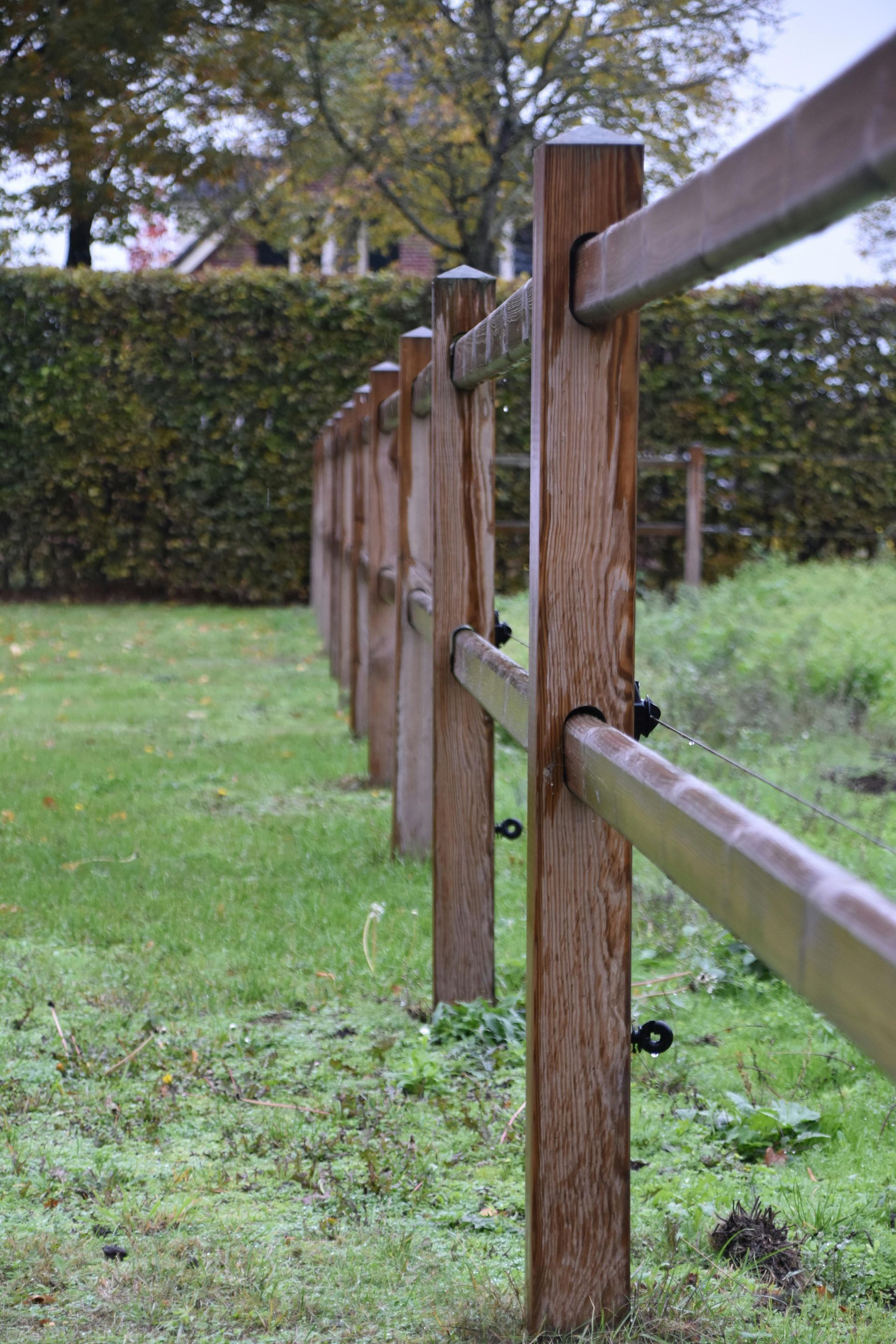
The strength of any fence lies beneath the surface. A common error made by DIY enthusiasts is failing to dig deep enough for the fence posts. A fence acts like a giant sail; when the wind picks up across the Gloucestershire hills, it exerts massive pressure on the panels. If the posts are only a foot in the ground, the entire structure can lean or collapse during a storm.
As a general rule of thumb, at least one-third of the total height of the post should be buried underground. For a standard six-foot fence, this means your post holes should be at least two feet deep. Additionally, the width of the hole should be three times the width of the post to allow for enough concrete (or 'post-crete') to create a stable base. Failing to use gravel boards is another structural oversight. Gravel boards act as a protective barrier between the bottom of the wooden panel and the damp earth, preventing moisture from wicking up into the wood and causing premature rot.
2. Choosing the wrong materials for Gloucestershire weather
When replacing your garden fence, the material you choose must be able to withstand the specific environmental conditions of your location. Many people opt for the cheapest panels available at local DIY stores, but these are often made from thin, dip-treated softwood that may only last a few years before warping or decaying.
In our region, we experience a mix of heavy rain and occasional high winds. Investing in pressure-treated (tanalised) timber is essential. Pressure treatment forces preservatives deep into the wood fibres, providing much better protection against fungal decay and insect attack than surface-level dipping. Furthermore, consider the type of fence style. Solid lap panels offer great privacy but have high wind resistance. In windier, exposed areas, hit-and-miss or slatted fencing might be a better choice as they allow some air to pass through, reducing the load on the posts. Quality materials are a core part of our Property Maintenance philosophy, ensuring that your investment stays looking great for a decade or more.
3. Ignoring legal height restrictions and planning permission
Many homeowners are surprised to learn that there are legal limits on how high a fence can be without seeking planning permission. Generally, in the UK, you can build a fence up to two metres high in a back garden. However, if the fence is adjacent to a highway or a footpath used by vehicles, the limit is often restricted to just one metre.
Ignoring these rules can result in an enforcement notice from the local council, requiring you to lower or remove the fence. There are also specific rules if your property is a listed building or located within a conservation area. In these cases, even replacing a fence like-for-like may require formal approval. It is always worth a quick check with your local planning department or a professional contractor to ensure your new garden fence replacement is fully compliant. Mistakes here are not just inconvenient; they can affect the future saleability of your home.
Should you discuss fencing plans with your neighbours?
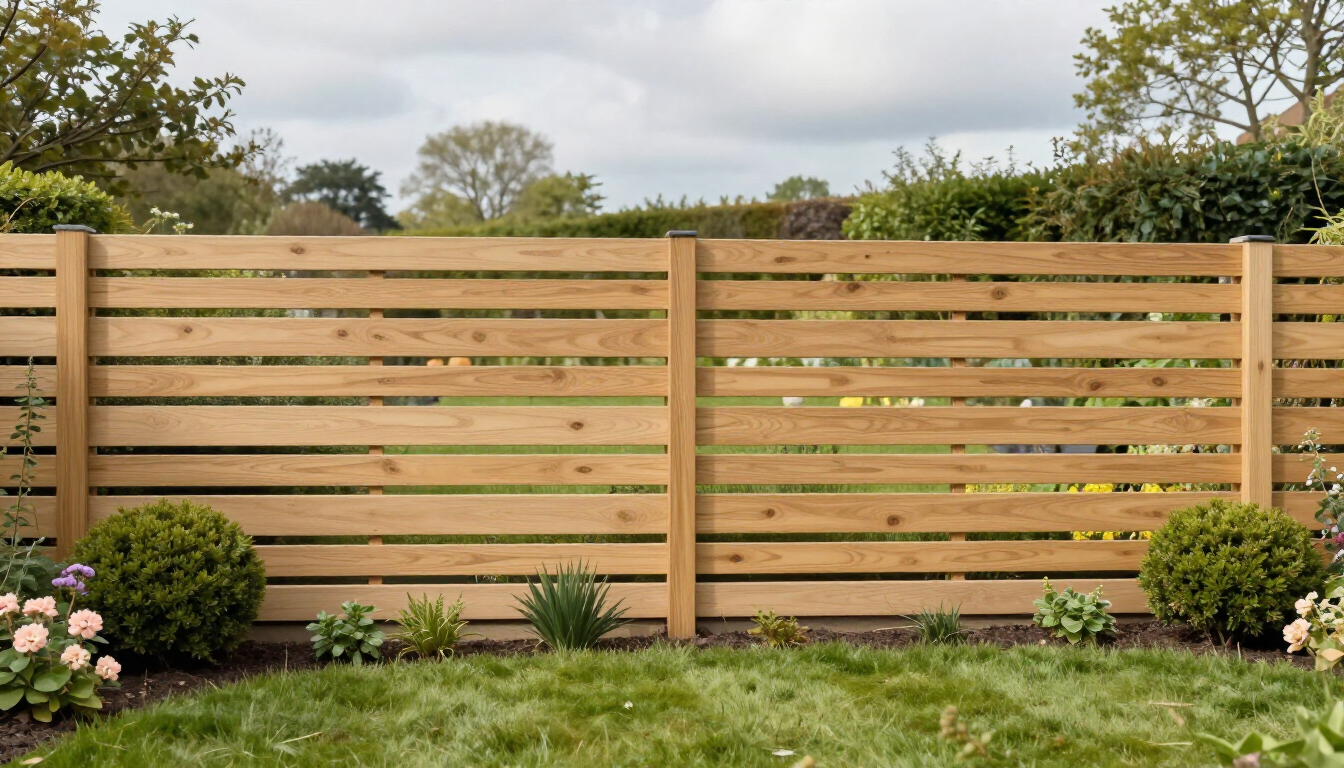
While you might legally own the fence, failing to communicate with your neighbours is a recipe for social friction. Even if you are footing the entire bill, the fence forms the backdrop of their garden as much as yours. A sudden change in height, style, or colour can be jarring.
It is common courtesy to inform them of your plans, the expected start date, and the duration of the work. If you are planning on installing the fence with the 'good' side facing your garden (the side where the horizontal rails are not visible), ensure this doesn't violate any local conventions or agreements. Many people choose to put the 'good' side facing out towards the neighbour or the street, which is often considered the standard practice for perimeter fencing. Clear communication can also lead to cost-sharing if the neighbour was also considering a replacement, making it a win-win for both parties.
4. Skipping the professional installation step
While DIY is popular, garden fence replacement is more physically demanding and technically precise than it first appears. One of the biggest mistakes is underestimating the labour involved in removing old concrete footings and ensuring a perfectly level line over long distances. A professional installation ensures that the fence is not only straight and level but also structurally sound enough to handle the weight of the panels and the pressure of the elements.
- Professionals have the correct tools for heavy digging and precise levelling.
- Contractors can handle the disposal of old fencing materials legally.
- Expert installers understand the specific drainage needs of your soil.
- Professional work often comes with a guarantee of longevity.
- Saves you days of back-breaking labour and potential injury.
If you want the peace of mind that comes with a high-quality finish, our team at Bluebell Refurbishment is ready to assist. You can see examples of our high standards by visiting Our Work page, where we showcase a variety of successful local projects.
Essential Fencing Maintenance Checklist
Once your fence is correctly installed, the work doesn't stop there. Failing to maintain the wood is a mistake that will shorten its lifespan significantly. To keep your fence in top condition, follow these simple steps:
- Apply a high-quality wood preservative or stain every 2-3 years.
- Clear away debris and foliage from the base of the fence to improve airflow.
- Check for loose screws or nails after a period of heavy wind.
- Ensure that climbing plants are not putting too much weight on the panels.
- Inspect gravel boards for cracks or shifts that might affect drainage.
Taking care of these small details ensures that your garden fence remains a beautiful and functional part of your property for years to come. If you find that your existing fence is beyond repair or you want to start a new project, don't hesitate to Contact us for a professional consultation.
Summary of Garden Fencing Success
Replacing your garden fence is a significant home improvement project that requires more than just buying panels and digging holes. By avoiding common pitfalls such as ignoring boundaries, using poor-quality materials, and disregarding local planning laws, you can ensure a result that enhances your home’s value and security. Focus on structural integrity by ensuring deep post settings and using gravel boards to combat moisture. Remember, clear communication with your neighbours and a thorough understanding of your property lines are just as important as the physical construction.
Key takeaways for a successful fence replacement:
- Confirm boundaries and legal heights before starting.
- Use pressure-treated timber and gravel boards for longevity.
- Dig post holes to at least one-third of the post height.
- Prioritise professional installation for a level, durable finish.
- Maintain the wood regularly to prevent rot and weather damage.
Recent Posts