Common Refurbishment Mistakes: 5 Ways to Avoid Them
Common refurbishment mistakes typically include inadequate financial planning, skipping professional structural surveys, and failing to secure necessary planning permissions. To avoid these errors, homeowners should establish a 15-20% contingency fund, draft a comprehensive project scope, and partner with reputable experts like Bluebell Refurbishment to ensure long-term property value.
Why is a detailed budget essential for refurbishment?
One of the most frequent pitfalls in any property project is entering the construction phase with a vague idea of costs. A detailed budget is the backbone of a successful renovation because it prevents the 'creep' of expenses that often occurs when unexpected issues arise. In Gloucestershire, older properties frequently hide structural challenges behind plaster and floorboards—issues that only become apparent once the work has begun.
Without a granular breakdown of every cost, from skips and permits to high-end finishes, your project can stall midway through. A professional Property Refurbishment team will tell you that a budget should not just be a list of expected costs, but a risk-management tool. This involves researching the current market price for materials and labour, which can fluctuate based on seasonal demand and global supply chains.
To keep your finances in check, consider these priorities:
- Account for all VAT and delivery charges upfront.
- Set aside a minimum 15% contingency fund for 'hidden' structural repairs.
- Get fixed-price quotes rather than loose estimates whenever possible.
- Price every fixture, from door handles to light switches, early on.
- Factor in temporary living costs if you need to vacate the property.
Avoiding the Trap of Underestimating Costs
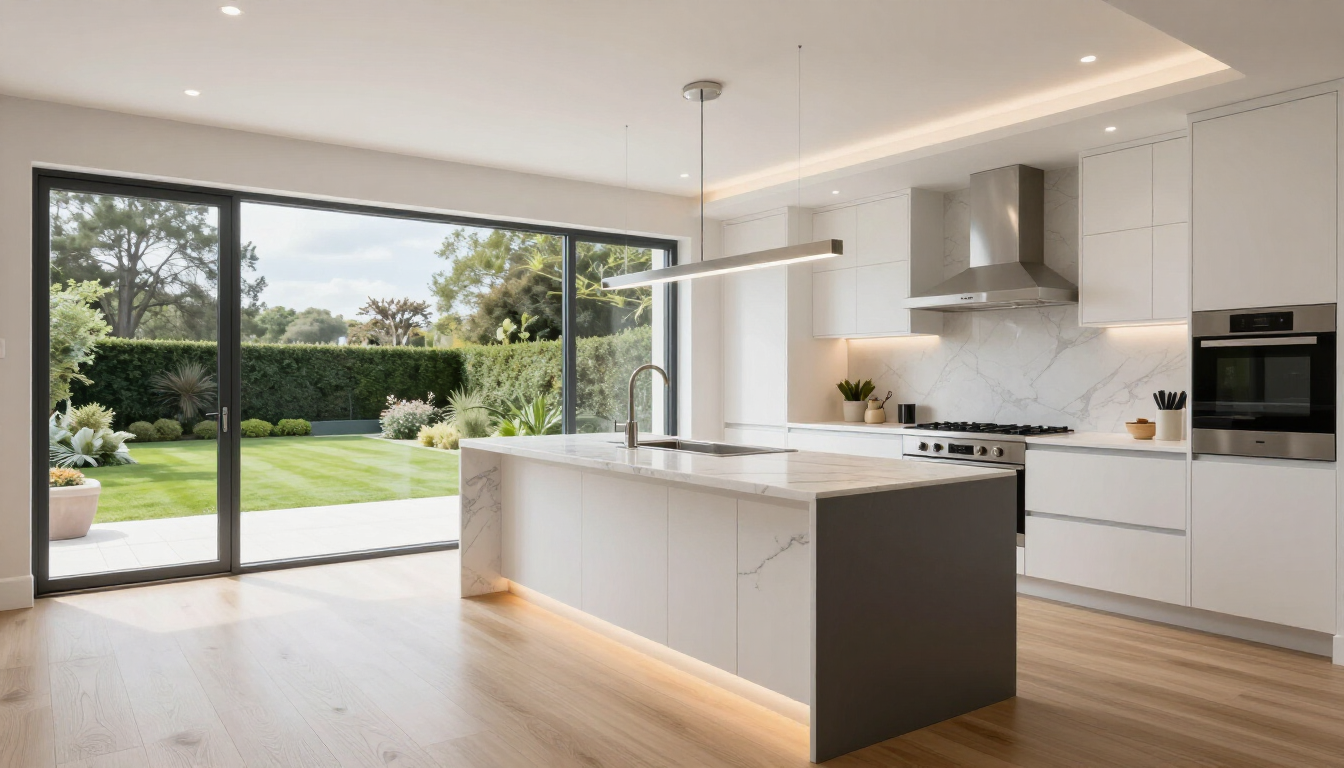
Underestimating the true cost of a project is a mistake that can lead to compromised quality. It is tempting to look at the 'ideal' price and hope everything goes perfectly, but seasoned professionals know that property maintenance is rarely predictable. When homeowners underestimate costs, they often find themselves forced to use cheaper materials or cut corners on essential trades like plumbing and electrics. This can be particularly detrimental when working on Kitchens & Bathrooms , where the quality of the installation directly impacts the longevity of the space.
At Bluebell Refurbishment, we emphasise the importance of honest workmanship. This means providing transparent communication about what a project really costs to do correctly. Underfunding a project often leads to the 'buy cheap, buy twice' scenario. For example, opting for low-grade sealants or sub-standard piping might save money today, but it could lead to catastrophic leaks and expensive remedial work in just a few years. Investing in professional Property Maintenance ensures that the foundation of your home remains solid while the aesthetic elements shine.
What are the risks of skipping professional planning?
Many homeowners believe they can save money by acting as their own project manager or designer. However, skipping professional planning is a high-risk strategy that often leads to inefficient floor plans, poor lighting placement, and technical errors that are difficult to fix later. Planning isn't just about how a room looks; it’s about how it functions. For instance, in a kitchen refurbishment, the 'working triangle' between the fridge, sink, and stove is vital for usability. Without a professional plan, you might find your beautifully finished kitchen is frustrating to use.
Furthermore, professionals bring a level of technical oversight that is hard to replicate. They understand the load-bearing capacity of walls, the intricacies of modern building regulations, and how to integrate new systems into older structures without compromising the integrity of the building. By viewing Our Work , you can see how meticulous planning results in a cohesive and high-quality finish that stands the test of time. A well-planned project reduces stress, minimises waste, and ensures that every penny of your investment is visible in the final result.
Selecting High-Quality Materials for Your Home
Choosing the right materials is about balancing aesthetics with durability. A common mistake is selecting materials based solely on current trends without considering how they will wear over time. For example, a high-gloss floor might look stunning in a magazine but could be impractical for a busy family home in Gloucestershire with pets and children. Similarly, using interior-grade materials in areas prone to damp or high humidity can lead to rapid deterioration.
When we undertake Property Refurbishment , we guide our clients toward materials that offer the best return on investment. This doesn't always mean the most expensive options; it means the most suitable ones. High-quality paints, durable worktops, and robust flooring may cost more initially, but their resistance to daily wear and tear makes them far more cost-effective over a decade. Quality also extends to the things you cannot see, such as the grade of timber used for framing or the quality of the insulation behind your new walls.
How can you ensure your refurbishment stays on track?
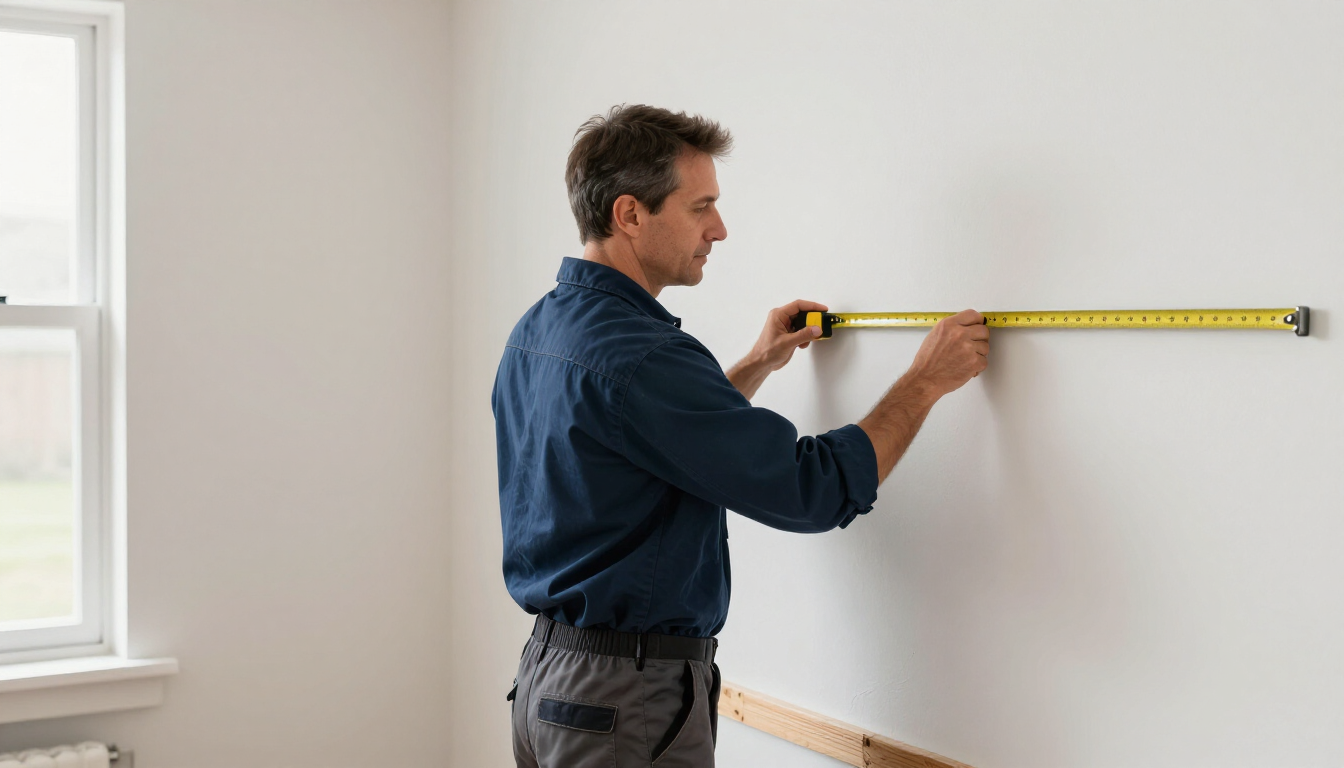
Timeline delays are the bane of any refurbishment project. They usually occur due to poor communication, delayed material deliveries, or a lack of coordination between different trades. If the plumber is scheduled for Monday but the tiler hasn't finished, the whole schedule can collapse like a house of cards. Ensuring your project stays on track requires a realistic schedule that includes 'buffer' days for drying times and unforeseen minor delays.
Effective project management involves:
- Ordering long-lead items (like windows or bespoke cabinets) months in advance.
- Maintaining a single point of contact for all site queries.
- Holding weekly site meetings to review progress against the schedule.
- Ensuring all subcontractors have clear instructions and access to the site.
- Validating that materials are on-site before the relevant trade arrives.
Navigating Building Regulations and Compliance
Ignoring building regulations is a mistake that can have serious legal and financial consequences. Whether you are knocking down a wall or extending a property, most significant structural changes require approval from local authorities. Failing to obtain the necessary certificates can make a property virtually impossible to sell in the future, as solicitors will require proof of compliance during the conveyancing process. Moreover, regulations exist for safety—ensuring that your electrical wiring is fire-safe and your structural changes won't cause the ceiling to sag.
In Gloucestershire, specific heritage rules may also apply if your property is listed or in a conservation area. Navigating these complexities is part of the professional service provided by the Bluebell team. We ensure that every aspect of the Property Maintenance and refurbishment we perform meets or exceeds current UK building standards. This protects your family’s safety and ensures that your home’s value is legally protected for years to come.
Should you hire a professional for your refurbishment?
While the DIY movement is popular, the complexity of a full-scale refurbishment usually warrants professional intervention. A professional team brings more than just tools; they bring a network of trusted suppliers, a deep understanding of structural engineering, and the ability to troubleshoot problems before they become expensive disasters. When you hire experts, you are buying peace of mind and a guarantee of quality that is difficult to achieve alone.
Choosing Bluebell Maintenance means choosing a partner committed to your vision. We take pride in our meticulous attention to detail and our ability to transform a house into a home that reflects your individual style. If you are ready to start your journey without the stress of common mistakes, we invite you to Contact us today to discuss your project requirements.
Summary of Key Refurbishment Takeaways
To ensure your refurbishment project is a success and avoids common pitfalls, keep these core principles in mind:
- Budget Wisely: Always include a 15-20% contingency fund for unexpected structural issues.
- Plan Thoroughly: Never skip the professional design and planning phase to save costs.
- Prioritise Quality: Invest in durable materials and skilled labour for long-term value.
- Stay Compliant: Ensure all work meets local building regulations and safety standards.
- Communicate Clearly: Maintain consistent dialogue with your project team to avoid delays.
Recent Posts